
The evolution of modern overland mobility
Automotive mobility insights
From bustling urban arteries to silent highway stretches, transportation systems shape daily existence. Understanding travel mechanics transforms a simple daily commute into a calculated journey of efficiency and scenic discovery.
Engineering the arteries of road infrastructure
Beneath the tires lies a complex pavement matrix designed to withstand immense tonnage. Civil engineers calculate gradients and curvature to ensure fluid movement across vast distances, connecting wild outposts to city centers.
Maintaining road networks requires vigilance against weathering and tectonic shifts. Crews deploy advanced sensors to monitor structural integrity, ensuring bridges span safely over scenic chasms and tunnels hold against geological pressure. Strategic bypasses reduce urban congestion, while rural routes offer vital logistical links for commerce, proving resilient infrastructure remains the silent backbone of economic stability and industrial growth across the continent.

The mechanics behind vehicle engineering
Every vehicle represents a symphony of parts working in unison. Internal combustion engines and electric powertrains translate potential energy into kinetic motion, demanding precise calibration for optimal torque and fuel efficiency.

Reducing drag coefficients efficiently.

Adapting to rugged topography.


Combining energy sources intelligently.

Hauling massive freight loads.

Navigating tight metropolitan spaces.


Redefining urban mobility and public transit
Cities evolve by integrating diverse transport modes into a cohesive grid. Commuters shift between personal vehicles and public transit, reducing gridlock while optimizing travel times through data-driven traffic management and smart signaling. This multimodal approach ensures accessibility and reduces the environmental footprint of metropolitan movement.
Interconnected transit networks
Buses and trams synchronize with metro schedules to ensure fluid passenger movement across different urban zones.
Urban micromobility solutions
E-scooters and shared bicycles solve the last-mile challenge in dense metropolitan districts effectively.
Protocols for active safety systems
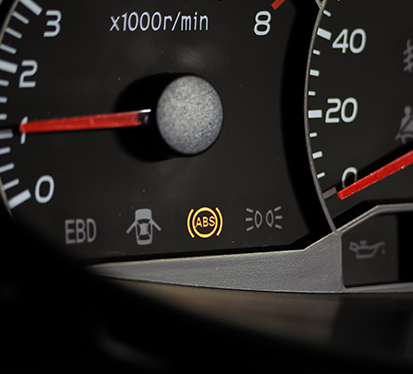
Defensive driving relies on anticipation and active safety systems. Electronic stability control and anti-lock braking intervene milliseconds before a driver reacts, turning hazardous situations into manageable corrections on wet surfaces.


Embracing the vanlife and nomadic culture
Living in transit requires adapting to a rhythm defined by sunrises and mile markers. The road becomes a temporary home where resourcefulness dictates comfort, and the scenic journey supersedes the destination.
Remote workers utilize hotspots to maintain productivity while parked near panoramic overlooks.
Regional eateries offer staples, providing a taste of culture along the highway.
Secure parking areas provide essential breaks to combat fatigue during long hauls.
Strategic planning for overland expeditions
A successful expedition hinges on meticulous preparation regarding route selection and vehicle readiness. Analyzing weather patterns and topographical maps prevents delays, allowing travelers to focus on discovery rather than logistical hurdles.
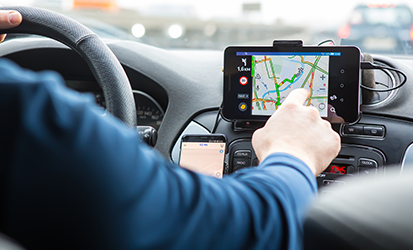
GPS navigation analysis
Sat-nav systems map the most scenic paths while avoiding construction delays effectively.
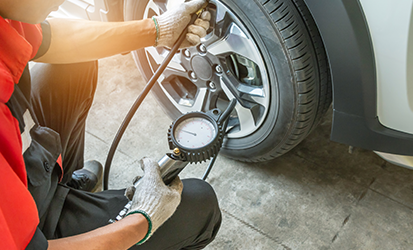
Pre-trip vehicle inspection
Checking tire pressure and fluid levels ensures mechanical reliability during the trip.